Image
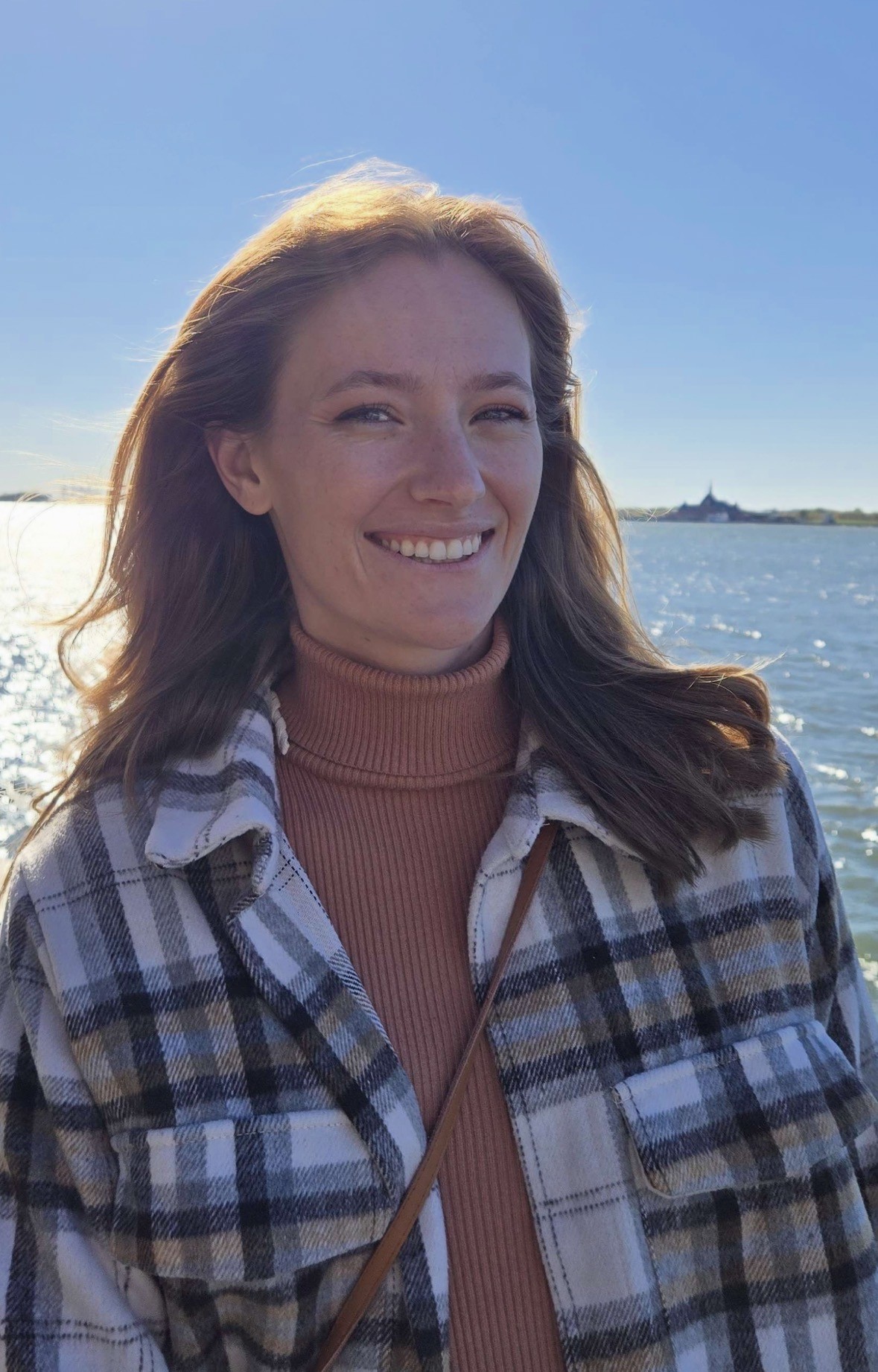
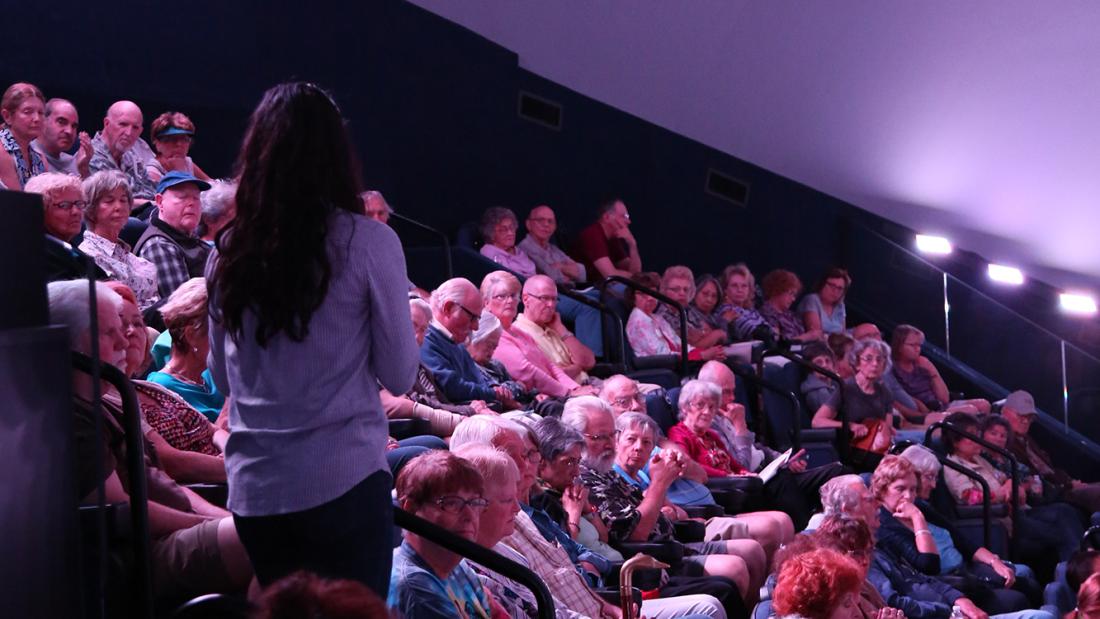
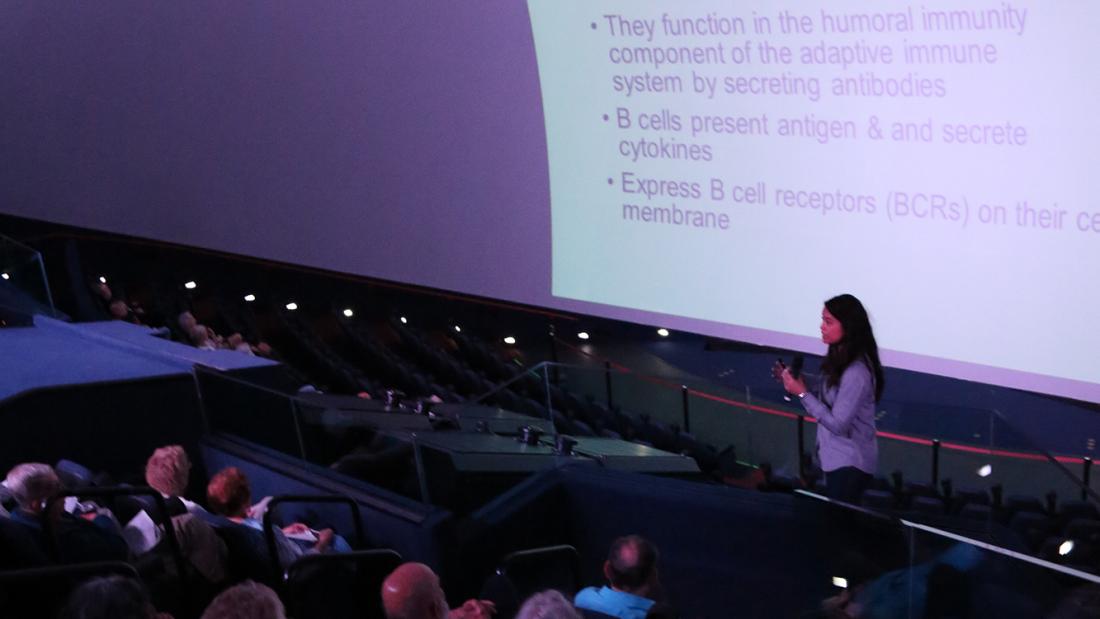
Engage with local scientists as they discuss their latest research and discoveries in a friendly, inviting environment. These lectures address hot topics on the first Monday of every month, in the Heikoff Giant Dome Theater. Stay for a special noon documentary showing.
The Sharp Minds lecture is free with general admission or a Senior Monday ticket. This event is not included with the Annual Explorer Pass.
Back From the Brink: Wolf Recovery in California and the Southwest.
Discover the remarkable return of wolves to the Southwest and our very own Golden State. This presentation explores the history, challenges, and successes of the natural recolonization of wolves in California and Mexican gray wolf reintroduction and recovery. Learn how conservation organizations, wildlife agencies, and local communities are working together to restore these apex predators, support healthy ecosystems, and promote human-wolf coexistence. Through insightful experiences and real-world recovery efforts, attendees will gain insight into the science, management, and future of wolf conservation in the Southwest and California.
About the Speaker
Ciera MacIsaac serves as the Wolf Care Coordinator and AZA SAFE Mexican Wolf Institutional Representative at the California Wolf Center, where she is dedicated to the conservation of and public education about wolves, with a particular focus on the critically endangered Mexican gray wolf. She holds a Bachelor of Science in Biology with a concentration in conservation and has extensive experience in the husbandry and behavioral observation of Mexican gray wolves, gray wolves, coyotes, and foxes.
In her role, Ciera oversees the daily care and welfare of California Wolf Center's resident wolves, coordinates veterinary examinations and medical treatments, and she also helps manage the California Wolf Center’s Mexican Wolf Fund, which supports human-wolf coexistence initiatives throughout the Southwest. Through tours, lectures, and community outreach, she works to inspire public engagement in wolf conservation and recovery.
How your brain could help solve AI’s energy crisis: a gentle introduction to neuromorphic computing
Every time you ask a chatbot like Claude or ChatGPT a question, a data center somewhere burns about the same energy as is required to run a small light bulb for a few minutes. The energy cost quickly skyrockets once we account for billions of questions asked to these chatbots every day. As these systems get bigger and more capable, their energy appetite could become a genuine crisis: straining power grids, adding to our carbon footprint, and further marginalizing poorer populations and countries that lack the energy capacity and infrastructure to keep up. Much of this energy cost comes from the design of chips themselves, which waste a lot of power moving information around rather than actually computing with it.
Curiously, we have a blueprint for designing far more energy-efficient chips: the brain. Its pattern recognition and creative abilities often stump even the most capable artificial intelligence models, and it uses only about a light-bulb’s worth of power, which is vastly lower than a data center. In this talk, we’ll explore how distilling the architecture of the brain to build new efficient chips, an approach called “neuromorphic computing”, could help us lower the energy demands of artificial intelligence, thereby increasing accessibility and lowering climate impact. We shall close with a discussion about actionable means which will help you evaluate the energy-efficiency of upcoming technologies and push for their mainstream adoption.
About the speaker
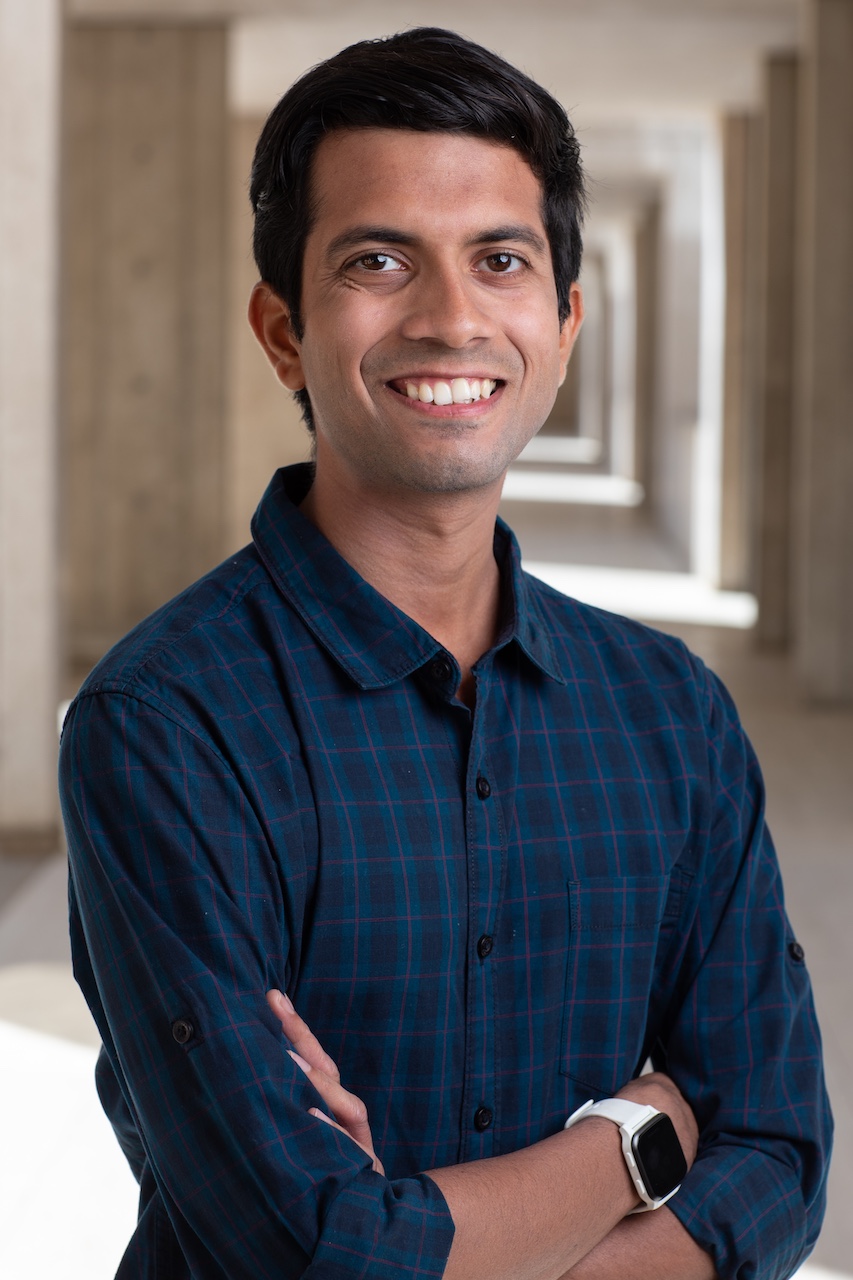
Vikrant Jaltare is a PhD candidate at UC San Diego’s Shu Chien - Gene Lay Department of Bioengineering and the Institute for Neural Computation in La Jolla. His research focuses on developing and benchmarking brain-inspired machine learning accelerators and algorithms for building energy-efficient computing systems. He is also interested in making STEM research more accessible by designing equitable educational tools and outreach programs. When not doing science, you may find him hiking the trails around San Diego or playing his guitar.
Life is a Highway
Join Dr. Amanda Wacker in exploring the highway system of the cell that enables healthy and happy neurons. Learn about some of the key materials that need to be moved around the neuron, the “trucks” of the cell that make it happen, the roads they walk on, and how scientists study the effects of aging and disease on this movement.
About the Speaker
Dr. Amanda Wacker is a postdoctoral researcher at the Salk Institute of Biological Studies in La Jolla. She uses patient skin cells that are directly converted to neurons to study how aging and disease affect critical processes in neurons.


Every time you ask a chatbot like Claude or ChatGPT a question, a data center somewhere burns about the same energy as is required to run a small light bulb for a few minutes. We shall discuss actionable means which will help you evaluate the energy-efficiency of upcoming technologies and push for their mainstream adoption.
Film: We, The Marines
Exploring the highway system of the cell that enables healthy and happy neurons.
Film: Antarctica