Image
Maile Morrish, Staff Writer
Every July, fans flood the San Diego Convention Center in the biggest celebration of storytelling, imagination, and nerdom in the country: San Diego Comic-Con. For attendees, it’s a chance to meet renowned illustrators and authors, snap pictures with their favorite characters in cosplay, and sit in on exclusive discussions that just might feature the year’s biggest actors. For the Fleet Science Center, it’s an opportunity to meet curious minds where they are and show them how science is woven into the stories they love.
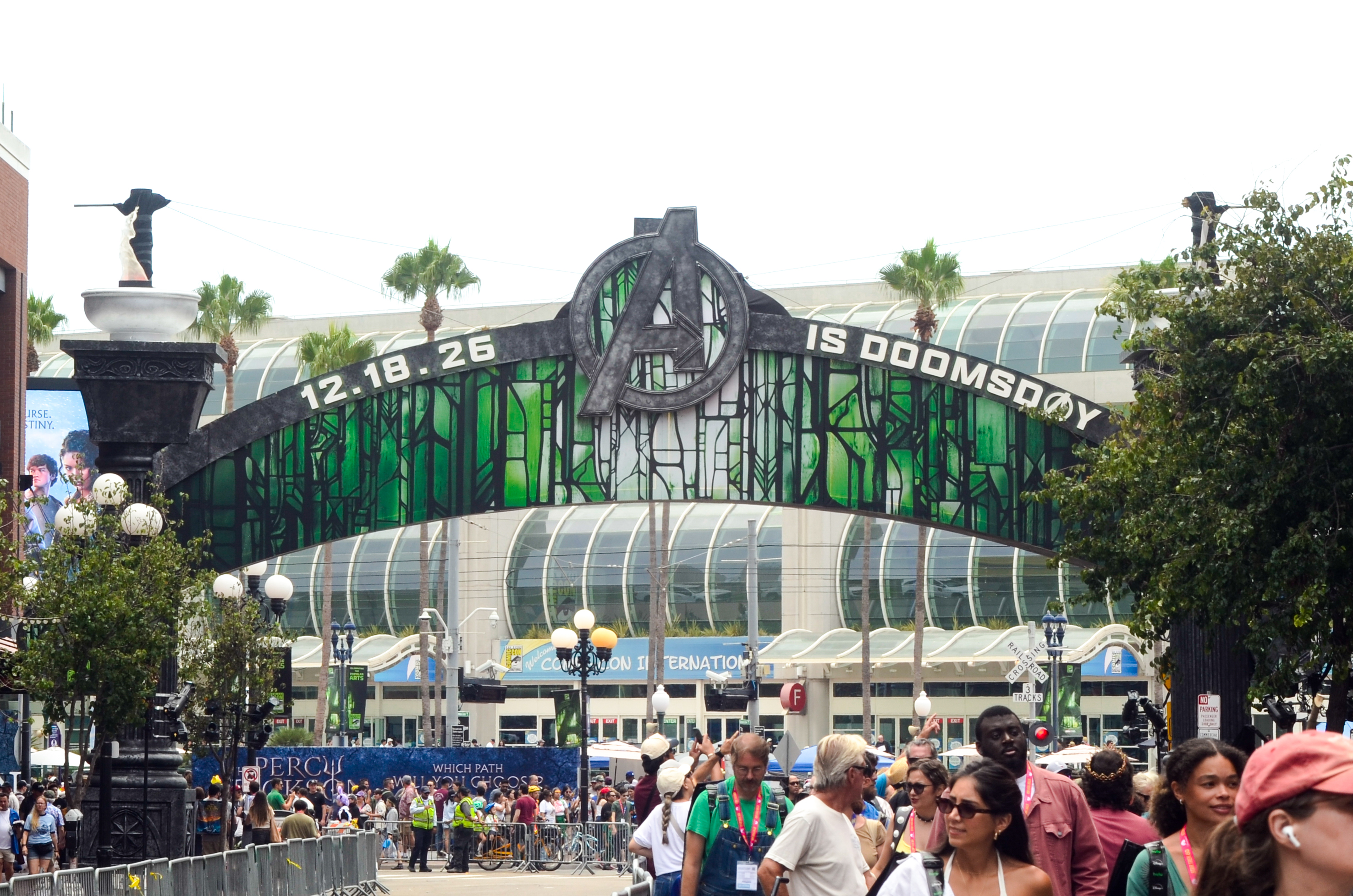
Since 2016, the Fleet has partnered with local scientists, engineers, and researchers to explore the intersections of pop culture and science at San Diego Comic-Con. By bringing together experts from different corners of the STEM world to explore the science behind beloved characters and fantastic worlds, the Fleet creates a bridge to science for audiences who may never think of themselves as “science people,” and provides a unique opportunity for discovery for those who do.
In celebration of our 10th year at Comic-Con, the Fleet gathered professionals from San Diego’s vibrant science community to discuss two of the year’s biggest films. While the fully outfitted Spider-Men and Mandalorians who filled the panels’ audiences may have entered the room for the name of the film alone, they left with much more.
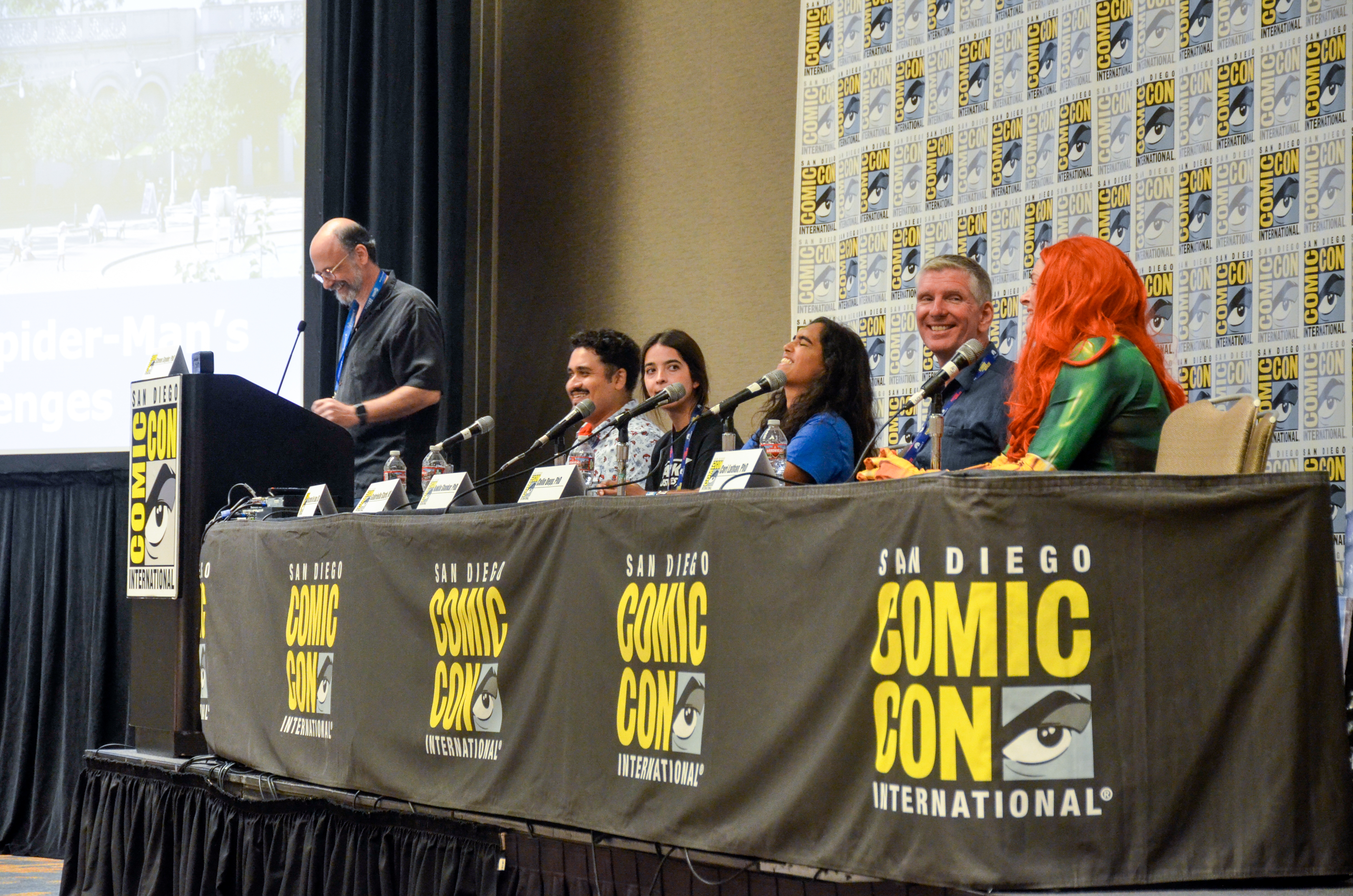
The first panel of the day, The Science Behind Spider-Man’s New Challenges, transported audiences to a New York City a few multiverses away, where neuroscience, engineering, and collaboration took center stage. Panelists from the fields of material science, psychology, neuroscience, and health dove into Spider-Man: Brand New Day, exploring everything from the real-life wearable nanotech currently in development to the neurological implications of Peter’s isolation from the world.
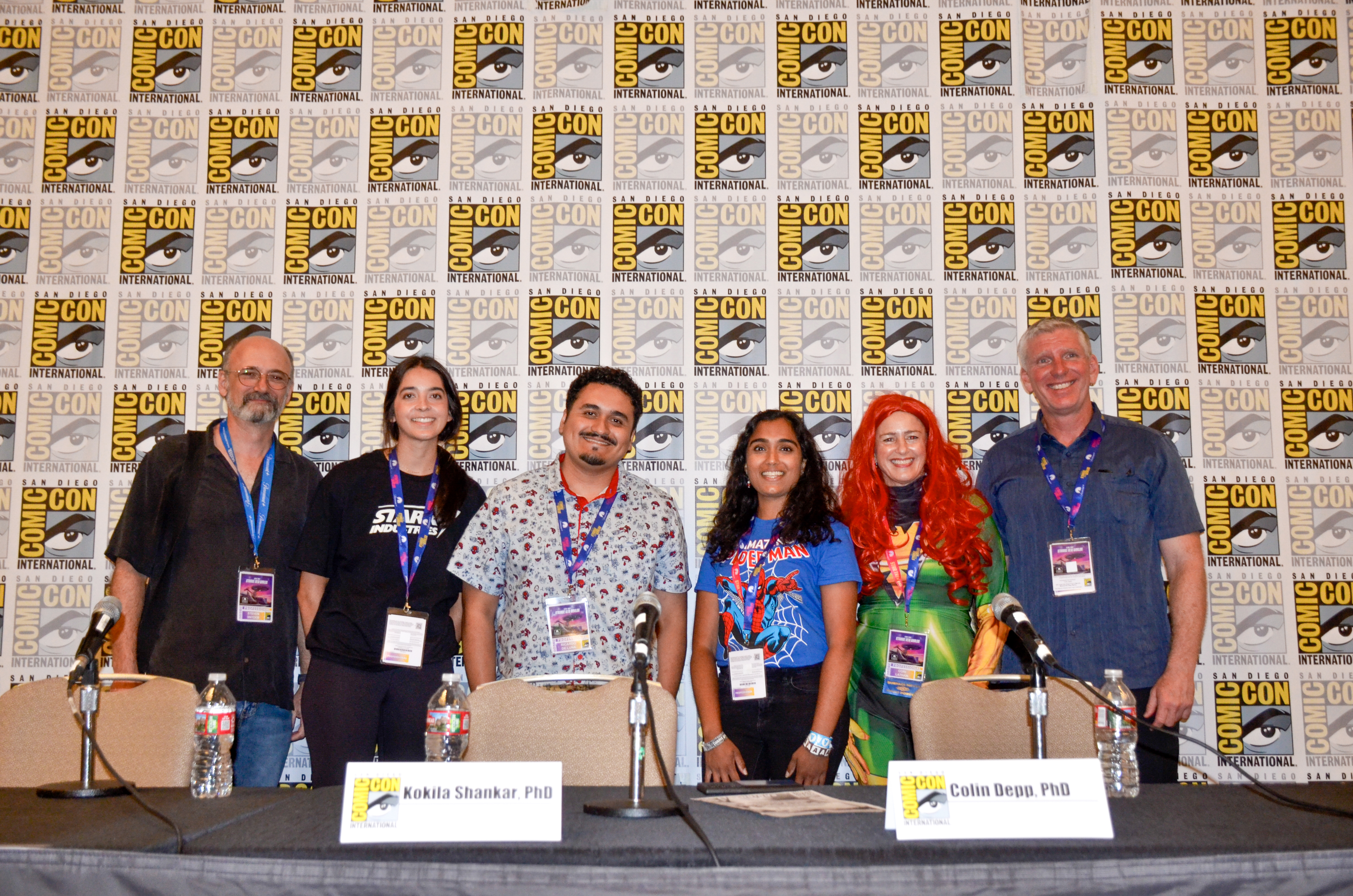
Kokila Shankar, PhD, Postdoctoral Researcher, Neuroscientist & Pharmacologist, explained how loneliness can trigger stress-signaling molecules that travel to the parts of the brain that control fear, anger, and the ability, or lack thereof, to make rational decisions. Loneliness can chemically alter the way you sense and interact with the world, as well as the people in it.
Other panelists chimed in, adding that science itself is not solitary work. Research & Development Engineer Ricardo De Luna explained, “Scientists never truly work alone. You have different fields working together to make discoveries; everything is peer reviewed; there’s a lot of collaboration. Having to do everything alone is going to be particularly difficult for Peter.”
Nodding her head along in the audience was Comic-Con attendee Kathryn Roessler, who traveled to San Diego from Philadelphia to attend the convention. “I think it’s so cool to talk about the science of superheroes,” she said. “There is so much science talk in superhero movies and in the culture, I guess you could say, but rarely an explanation behind it. The combination of science and pop culture is so cool.”
The Fleet’s second panel, Grogu’s World: the Science Behind the Mandalorian, dove into the science of an entirely different universe. Fans of Star Wars: The Mandalorian and Grogu filled the audience for an engaging discussion not only about their favorite characters, but about child development, biomechanics, animal science, and much more.
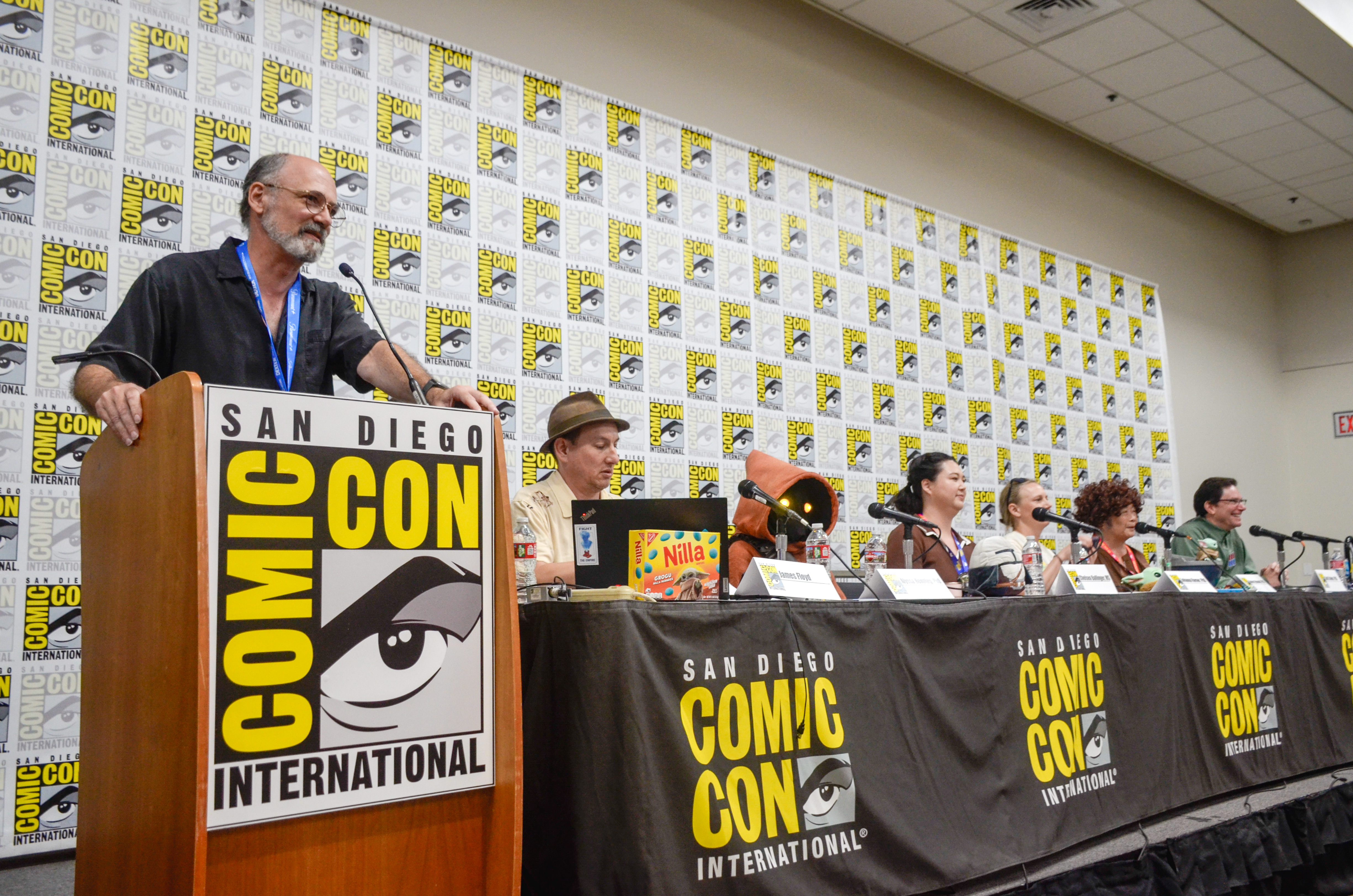
Engineers agreed that the Mandalorian’s iconic armor would be extremely difficult (but perhaps not impossible…) to replicate with real-world technology, while neuroscientists and child development experts discussed one of the fandom’s burning questions: ‘Is Grogu really a baby?’
“His nickname might be ‘Baby Yoda,’” said Elena Blanco-Suarez, PhD, Assistant Professor of Neuroscience in SDSU’s Department of Biology, “but his cognition is beyond that of many PhD’s I know!”
Some themes appeared in both discussions, with panelists fervently debating the toll that Spider-Man and the Mandalorian’s adventures would take on their human bodies. “This is one of the greatest suspensions of disbelief in all of cinema,” said Seth Cohen, PhD, Distinguished Professor of Chemistry and Dean of the School of Physical Sciences at UC Irvine. “It goes all the way back to Indiana Jones falling off 100,000 meters off a waterfall and being perfectly fine. What the human body can tolerate, even with whatever kind of protection, is almost always unrealistic in action and sci-fi films.”
Audiences sat intently in their seats, absorbing the discussion and laughing along with panelists at every turn. At the end of the night, an audience member approached the mic. “Thank you for being here,” he said to the panel of scientists. “This was so much fun. These discussions are always my favorite part of Comic-Con.”
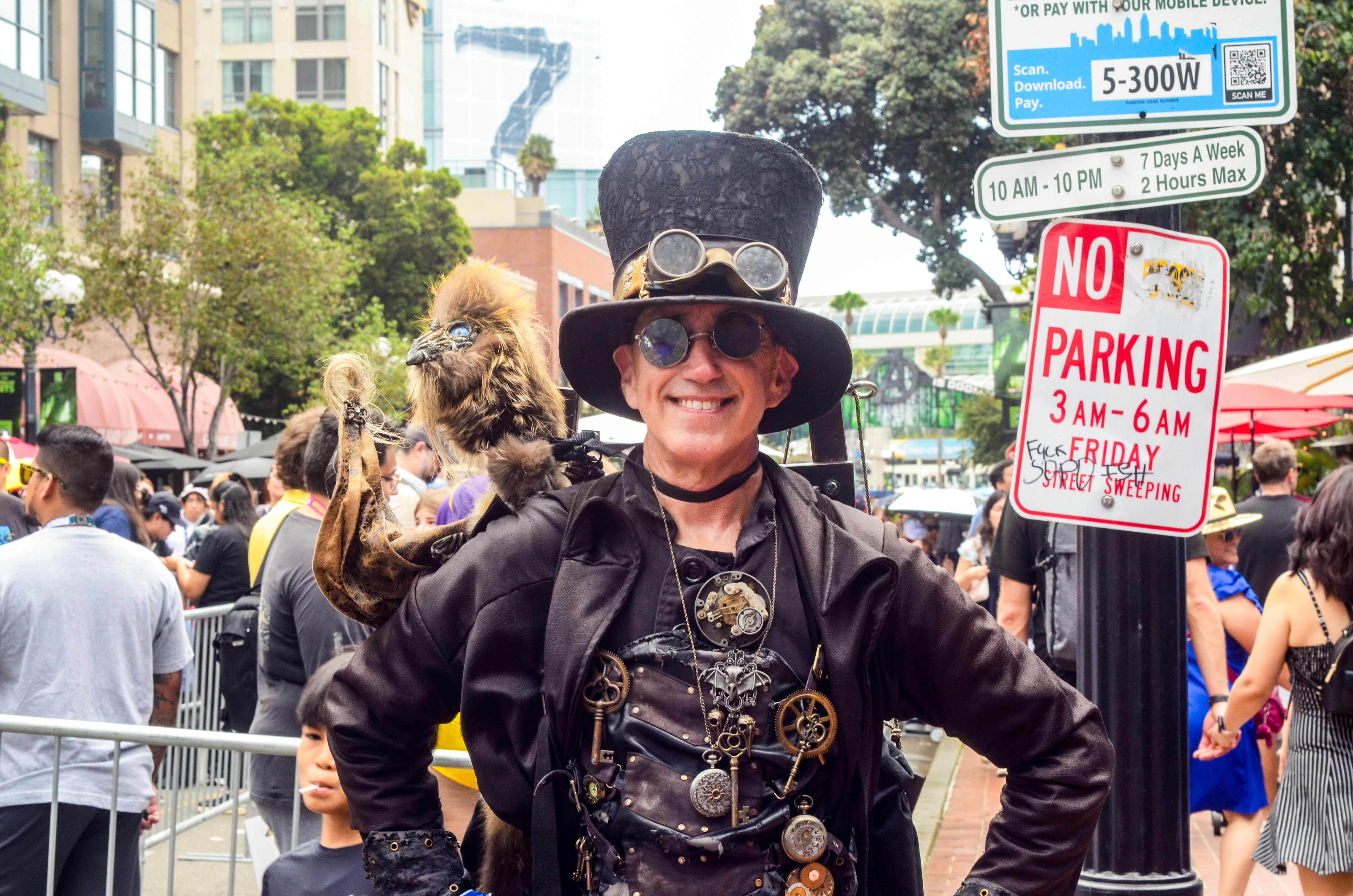
Moments like these remind us why we come back to Comic-Con year after year. Weaving science into conversations that fans are already eager to have expands opportunities for discovery, inspires curiosity in new audiences, and connects more San Diegans to the power of science.
So, to all the nerds out there, whether your niche is science or superheroes, we hope to see you at Comic-Con next year. And never forget, science can start anywhere, whether in a classroom or a comic book.