Image
Maile Morrish, Staff Writer
A few weeks ago, I had the opportunity to attend one of the Fleet Science Center’s most magical programs: The Sky Tonight. As the Fleet’s Staff Writer and a self-proclaimed astronomy nerd, I thought I knew what to expect. After all, I’ve been in the Heikoff Giant Dome Theater plenty of times and have seen everything from wolves roaming to Blue Angels soaring across its 76-foot IMAX® screen. I’ve studied the stars out of my family’s National Audubon Society Field Guide to the Night Sky for decades. What could this program show me that I hadn’t seen before?
The answer is just about everything. Certainly, the IMAX® films at the Fleet are some of my favorite cinematic adventures, and sure, I can name a handful of constellations from memory, but this was something more. This was immersive, personal, and wonderfully illuminating.
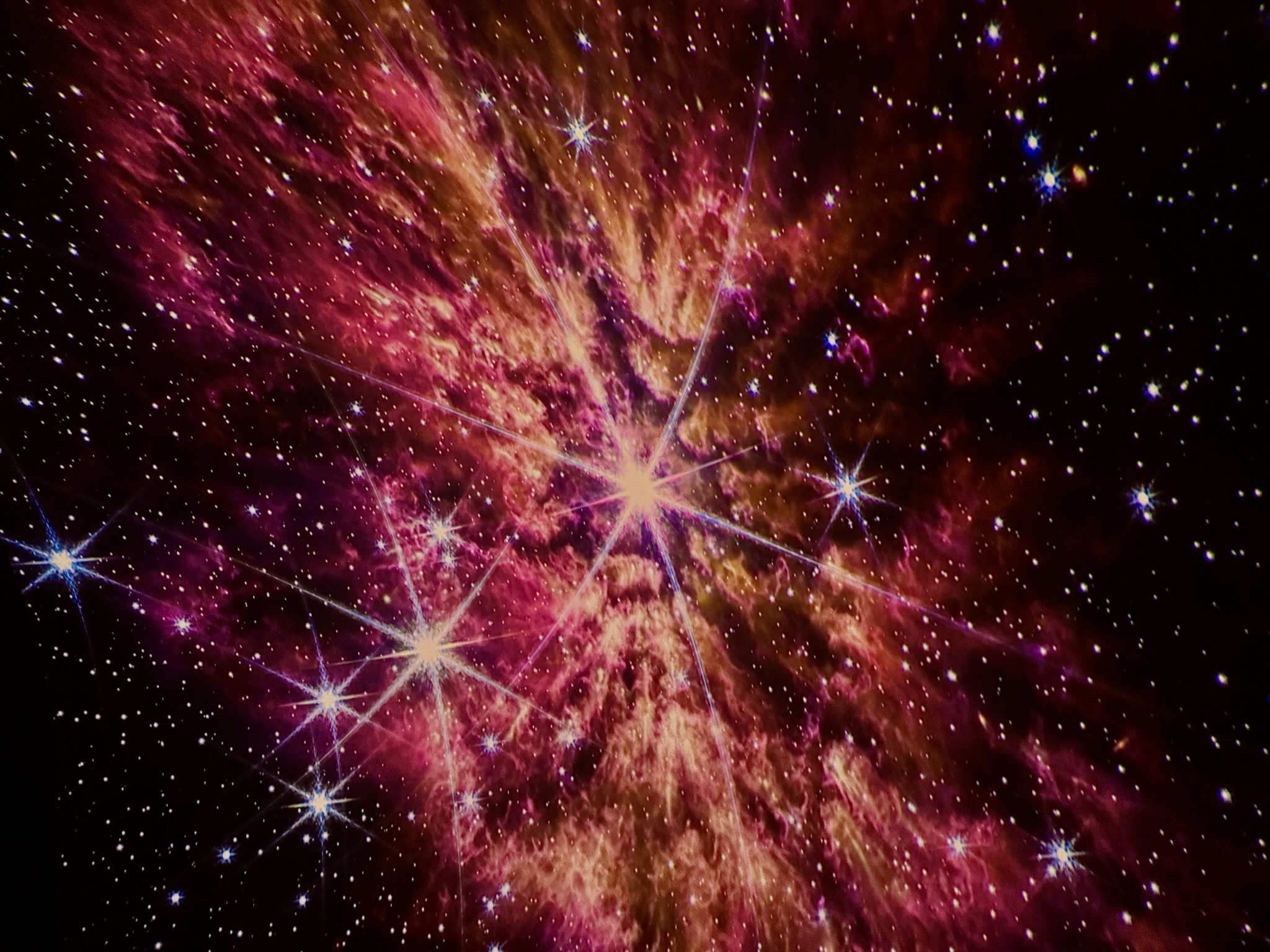
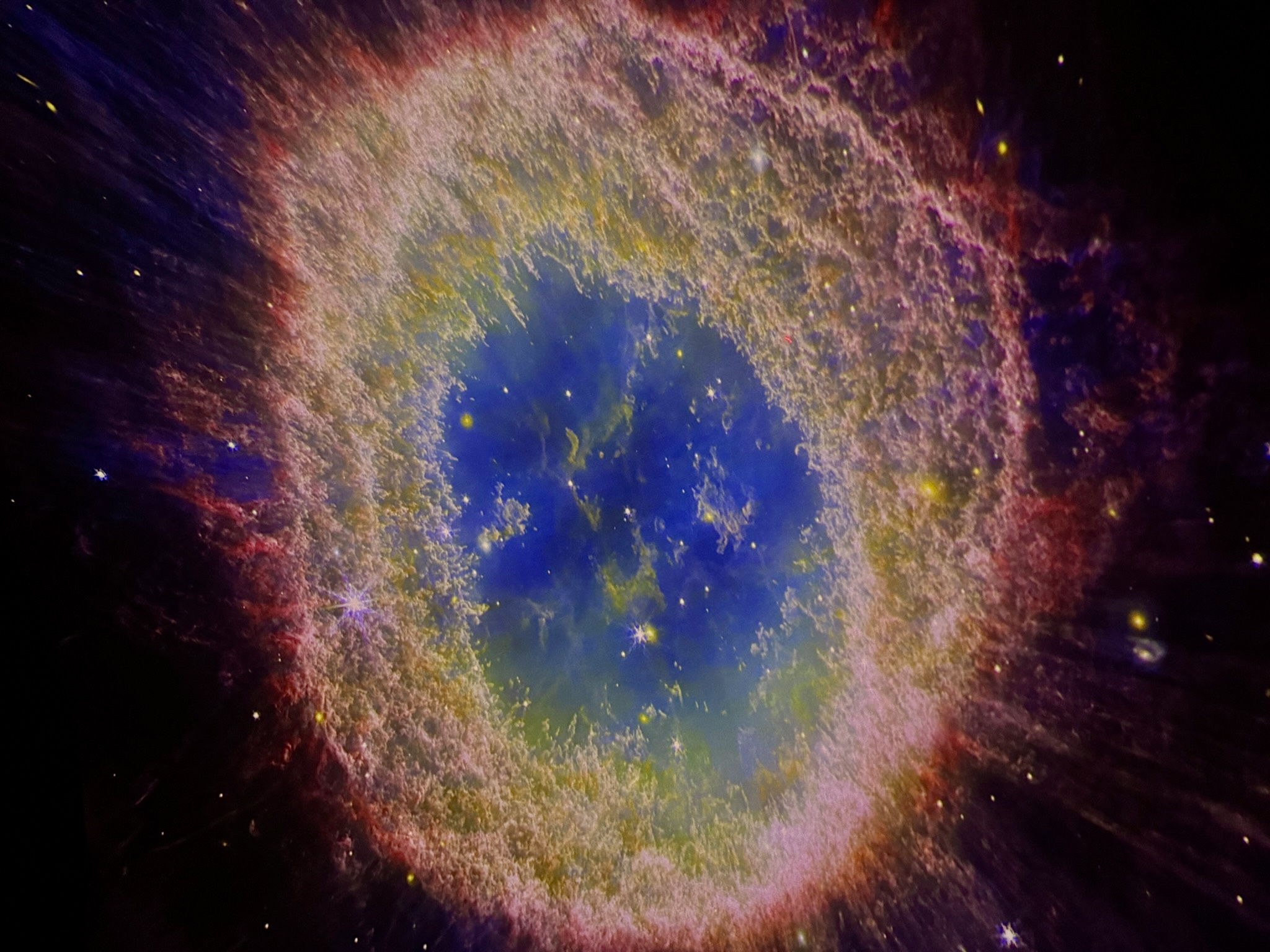
The moment the lights went down, we were transported directly into the sky. Surrounded by galaxies on the wrap-around dome screen, I felt like an astronaut floating through space, close enough to touch the stars myself.
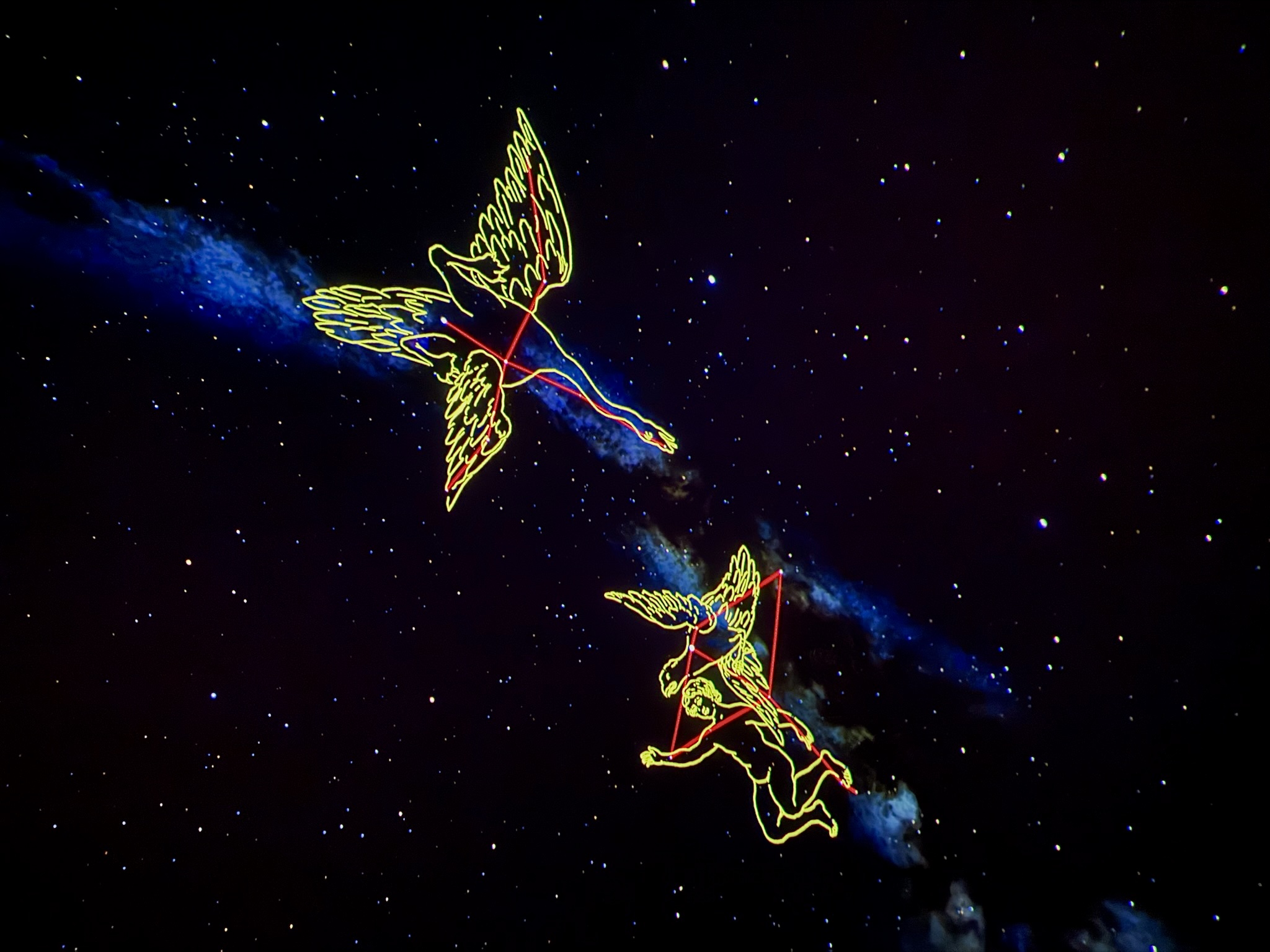
The familiar voice of Dr. Lisa Will, the Fleet’s Resident Astronomer, introduced us to the night sky at the beginning of fall. Constellations began to illuminate the screen. We met Aquila, Lyra, and Cygnus, three constellations that make up the Summer Triangle, slowly moving west as autumn arrives. We learned about Vega, the fifth-brightest star in the night sky; the constellations Cassiopeia, Andromeda, and Cepheus, which tell the story of a tragic royal family from Greek mythology; and the handful of zodiac constellations visible along the sun's path that night. Who knew that the Libra scales were held sacred to a Babylonian sun god? We learned more than just astronomy; we learned the stories of our sky, and how to look at it.
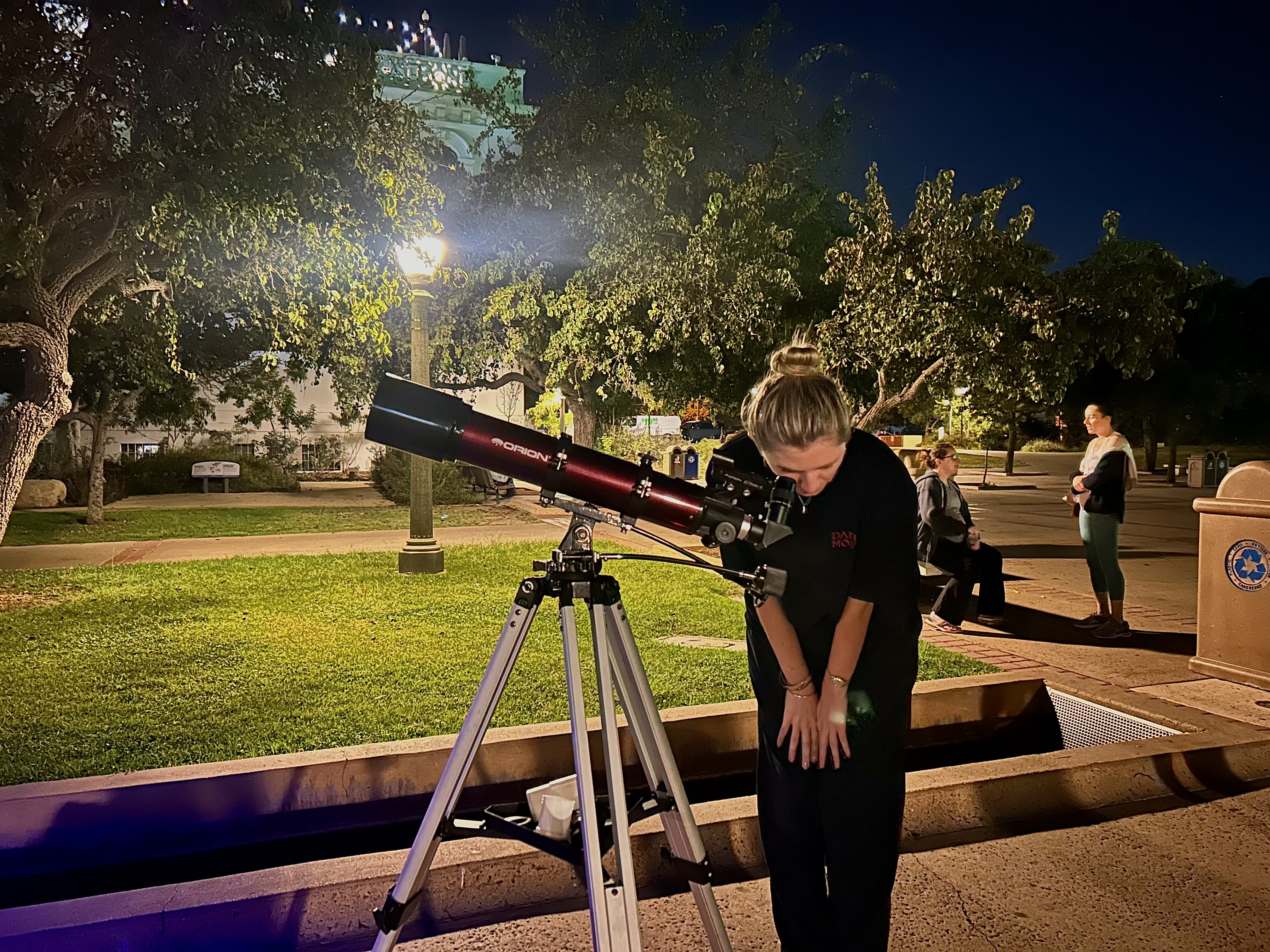
The journey didn’t end when we left the theater. Walking out onto the Prado, we met members of the San Diego Astronomy Association (SDAA), partners of the Fleet who bring telescopes for attendees to explore the sky themselves. Suddenly, the Dumbbell Nebulae and sparkling Arcturus weren’t just distant images on the dome screen but were right there above us. We were seeing them with our own eyes, and members of our own community were helping us discover them.
Walking back to my car that night, I couldn’t stop thinking about how much more there was to discover about things I thought I knew so well. I’ve seen countless films in this theater and spent plenty of time looking towards the stars, and yet this program had shown me the night sky in an entirely new way. If it could still surprise someone like me, I wanted to understand the story behind the magic.
Digging deeper into the history of the program, I discovered that The Sky Tonight was far older than I expected. The Fleet hadn’t simply added a planetarium show to its lineup decades after opening, but quite the opposite. The planetarium was where the Fleet began.
When it was conceptualized in 1969, the tilted dome screen was a revolutionary invention intended to give the illusion that audiences were suspended in space. Paired with a new star-projection system, dubbed the “Space Transit Simulator,” the new theater created the sensation of traveling through space and could accurately recreate the star field as it appeared at any time or date and from any location in the solar system—past, present, or future. The Reuben H. Fleet Space Theater, as it was known back then, opened to the public on March 10th, 1973, and has been sending audiences through the stars ever since.
The Sky Tonight officially launched five years later in 1978, inviting audiences to attend a dedicated public planetarium show that ran every Tuesday evening. Over the years, the program grew alongside the museum itself. A 2012 renovation to the Heikoff Giant Dome IMAX® Theater brought enhanced technology to the experience, while weekend and virtual programming expanded ways audiences could participate. And through the Fleet’s collaborative partnership with the SDAA, the program eventually grew beyond the theater, transforming it from a stellar show to an interactive experience.
Today, this journey doesn’t have to end when you leave the theater, or even Balboa Park. The newest expansion takes audiences even further into the night sky, reaching all the way to the top of Palomar Mountain in The Sky Tonight: The Palomar Observatory Experience. The program, which launched in October 2025 via a rekindled partnership with the observatory, takes the experience to an entirely new level.
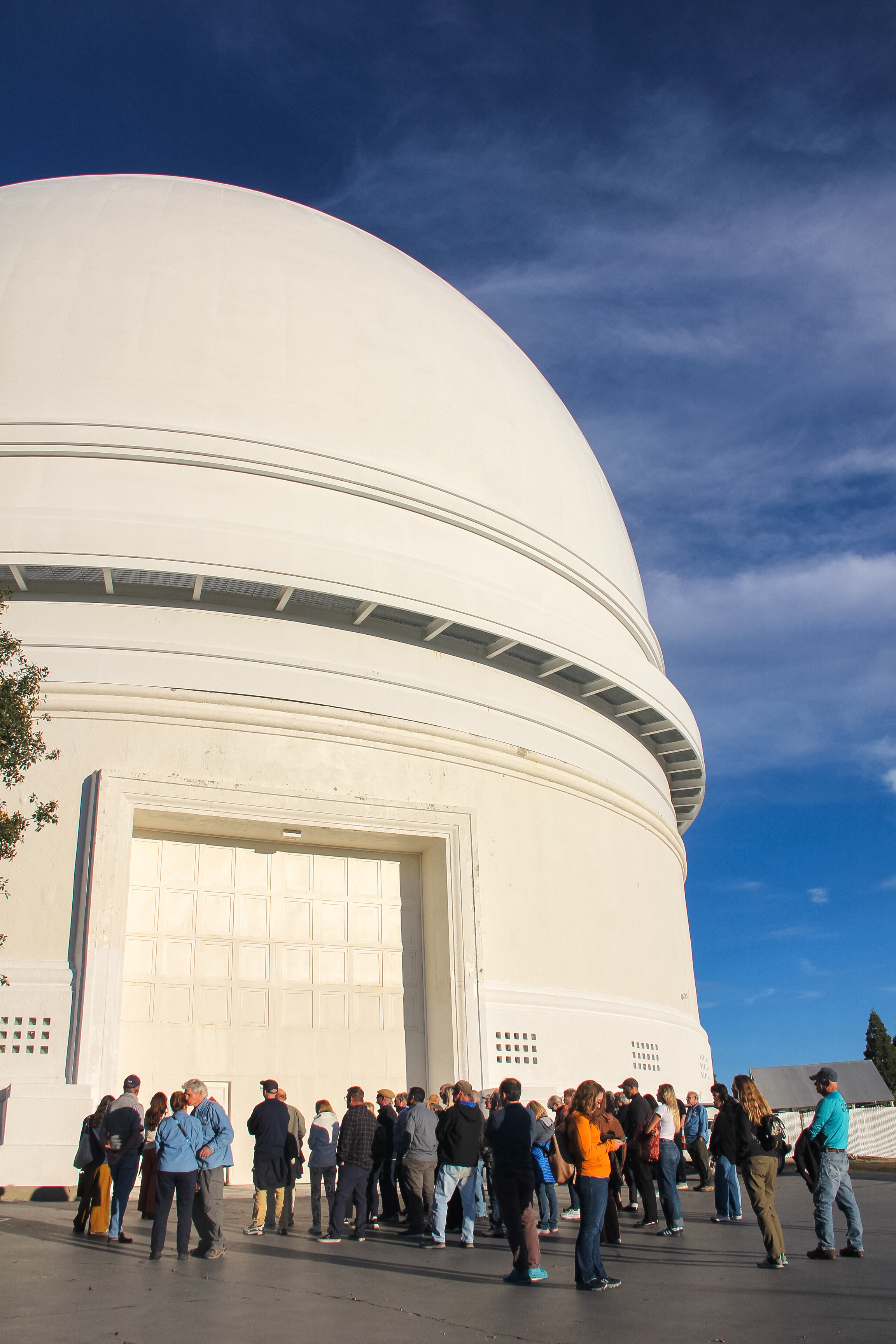
I had the fortune of attending the first installation of this bold new adventure, and it was unlike anything I had ever done before. Like the daily guided tours of the observatory, we explored all levels of the Hale Telescope Dome. We learned about the history of the observatory at the basement level before traveling up to the chilly observing floor, kept at 40 degrees throughout the day to prevent warm air from distorting the view of the massive 200-inch mirror at the base of the telescope when the dome opens at night. After admiring this “giant pupil that collects light from the Universe,” we made our final climb to the last level of the observatory. Then the telescope began rotating, and the dome cracked open, and my jaw hit the floor. Witnessing the telescope move into position was like peering back in time. I saw generations of astronomers, decades of technological innovation, and humanity’s everlasting desire to understand the universe in the movements of this singular, magnificent telescope.
Following this breathtaking experience, we made our way to the visitor center, where local astrophysicist Adam Burgasser delivered an engaging and insightful lecture. Learning that he made some of his early discoveries at the very observatory we had just toured made the evening feel even more special: we weren’t just learning about astronomical discovery, but were sitting in a place where it happens every day. And, as the cherry on top of an already wonderful experience, we ended the night with some stargazing of our own before hopping on the bus back to our own universe.
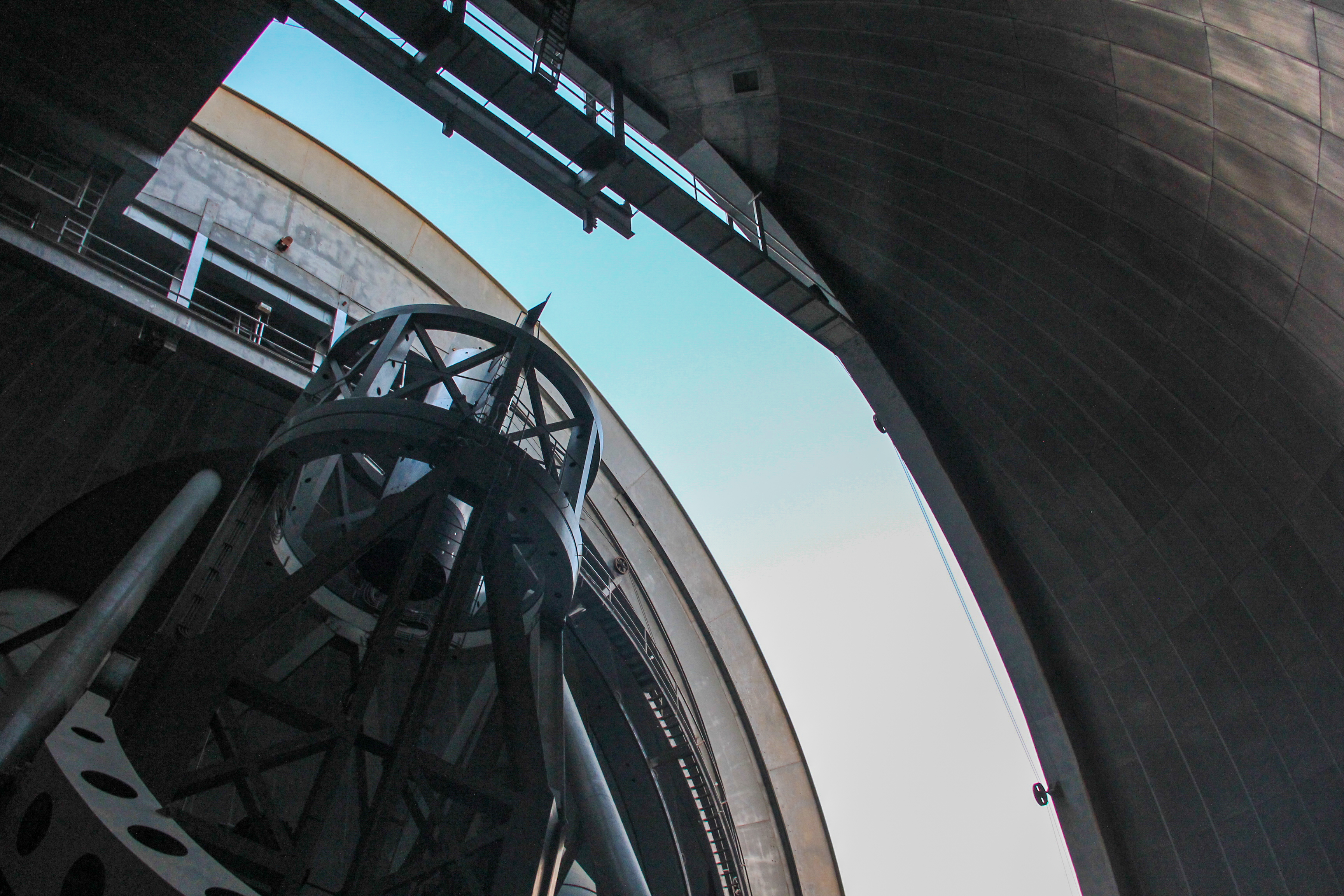
“Seeing the telescope open and hearing the lecturer speak was so magical,” said Anita Douglas, a first-time attendee of the program and my long-time friend. “Getting to be in a space where humans have spent so many years exploring the stars, especially after exploring them myself in the Giant Dome Theater, was truly a once-in-a-lifetime experience.”
In many ways, The Sky Tonight represents the core of the Fleet Science Center. Beyond the simple fact that the organization was founded as a planetarium, the program embodies the curiosity, exploration, and connection that have been at the heart of the Fleet since its inception. Exploring the universe in the dome, alongside members of the SDAA on the Prado, and from the top of Palomar Mountain has transformed the way I view the night sky. Now, when I look up at the stars, I’ll see more than just the constellations coloring my field guide. I’ll see stories, history, community, and an invitation to keep exploring.