Image
By Maile Morrish, Staff Writer
Each year, Earth Day invites us to not only appreciate our planet but also take action to protect it. It reminds us how important environmental conservation is, and gives us a chance to reevaluate habits, renew sustainability efforts, and come together to preserve the only planet we have.
At the Fleet, we know our Earth is precious. Its flowing rivers, beautiful mountains, lush trees, vast oceans, and millions of species make it beautiful. The atmosphere that keeps us warm, the magnetic field that shields us from solar radiation, and the water and carbon that provide the foundation for life make it hospitable.
It is easy to lose sight of the many things that make our planet so uniquely magnificent and monumentally important in our day-to-day lives. The view is obscured by high-rises and highways, by smoke and smog, until the bigger picture is impossible to see.
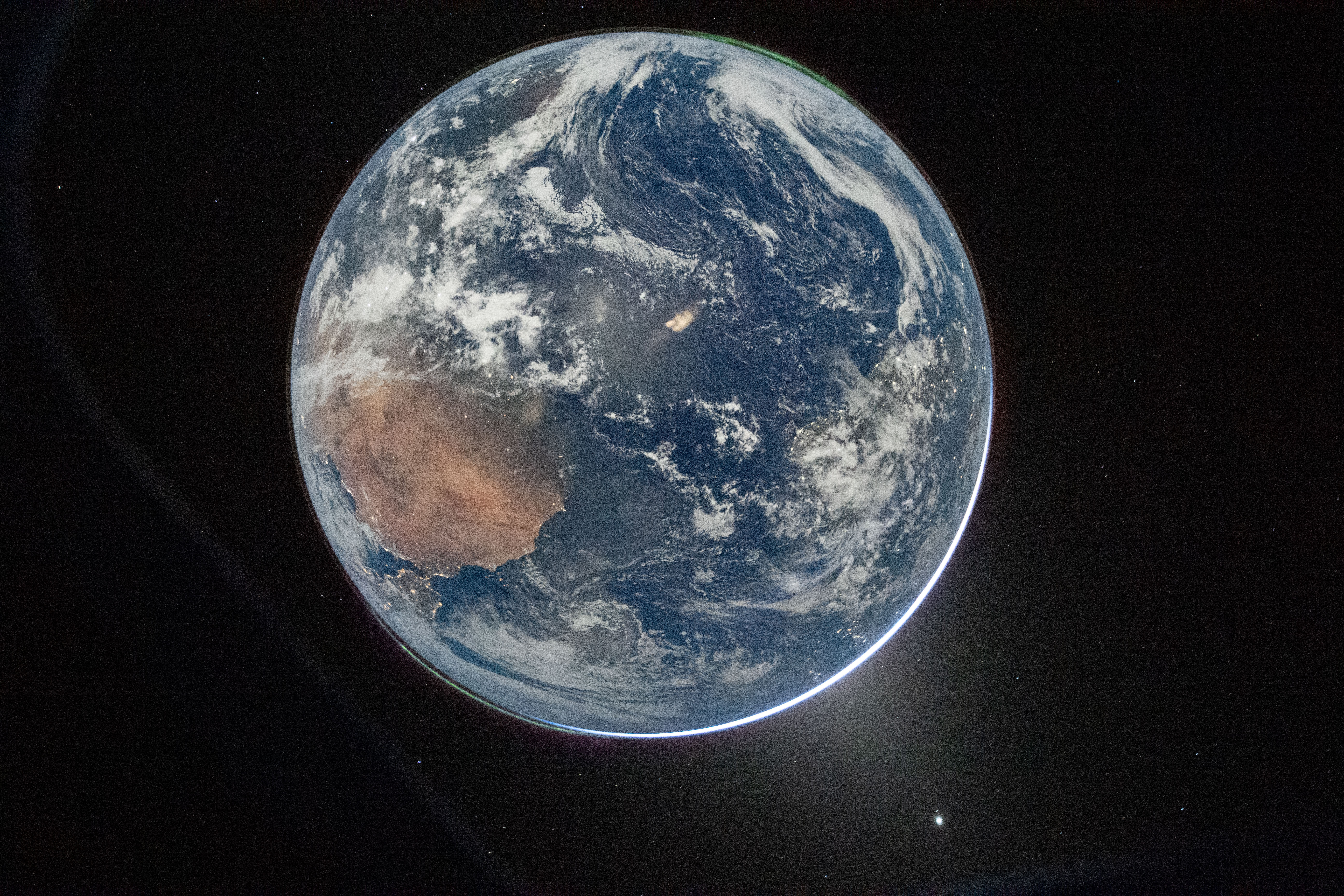
But when astronauts go up into space, they see that bigger picture and more. Every peak and valley, every mother, father, and child, every laugh, every tear, every memory, everything we have ever known swirling around in one little globe. One pale blue dot, as Carl Sagan named it in 1990. And many of them return to that pale blue dot with a completely new understanding of it.
“When you’re looking through the cupola (the domed windows of the International Space Station), you see the Earth as it exists with the whole universe in the background,” says NASA astronaut and Artemis II mission specialist Christina Koch of her time aboard the ISS. “You see this very thin line that shows you where the atmosphere is. What you realize is that every single person that you know is sustained inside of that thin line, and everything outside of it is completely inhospitable.”
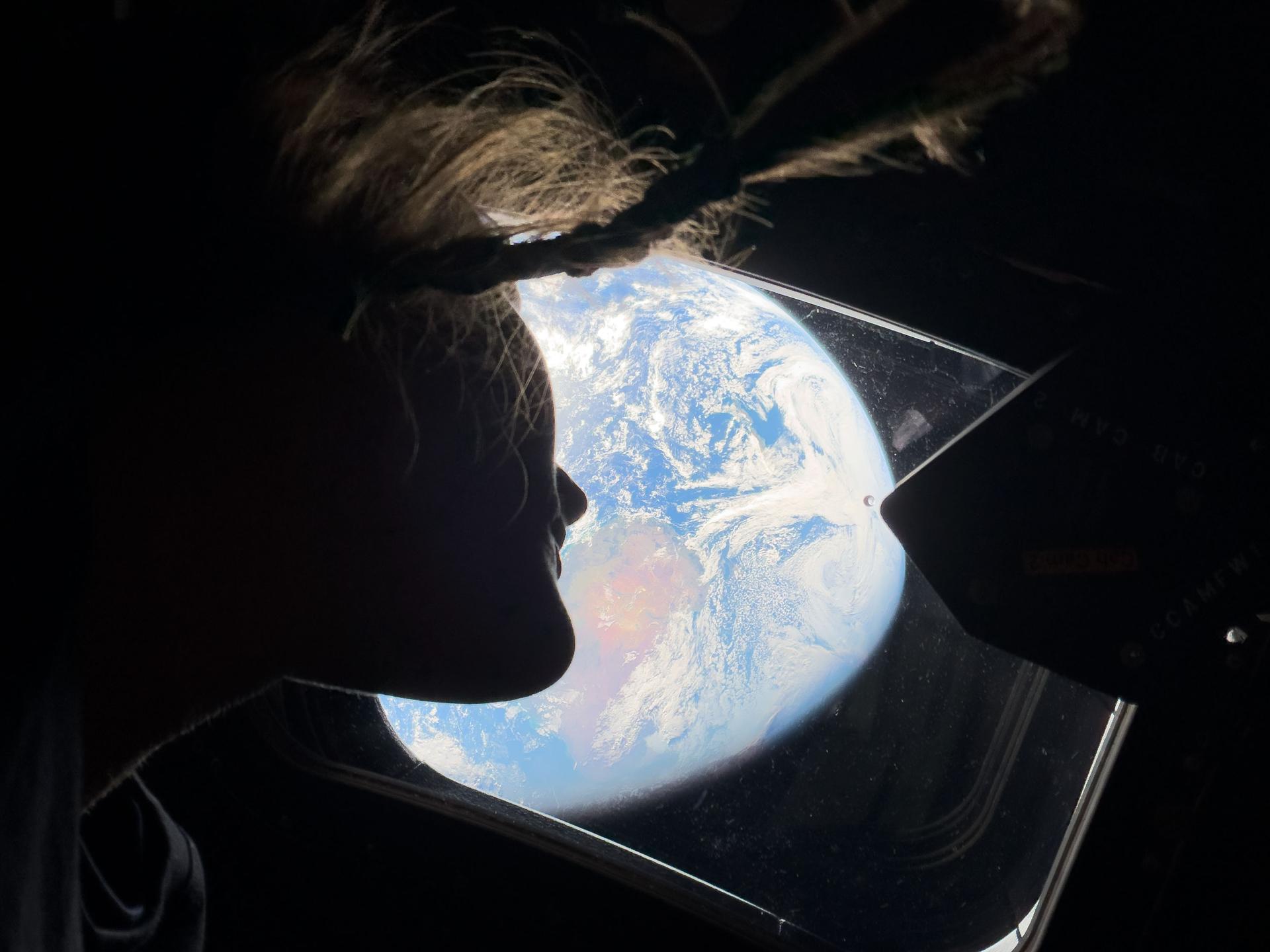
This profound cognitive shift in how one views the world, also known as the overview effect, is common among astronauts. The sight of the Earth from space ignites a newfound understanding and awe of our planet’s fragility, beauty, and most of all, importance.
Retired NASA astronaut Mike Foreman, among those to have experienced the effect, was even inspired to make changes upon returning home.
“I think if you’re not a conservationist before you go to space, you’re at least partly a conservationist when you come back,” Foreman said. “When you see how thin that atmosphere is, that protective layer that we have here, you think, wow, we really have to take care of this because it does look so fragile from space.”
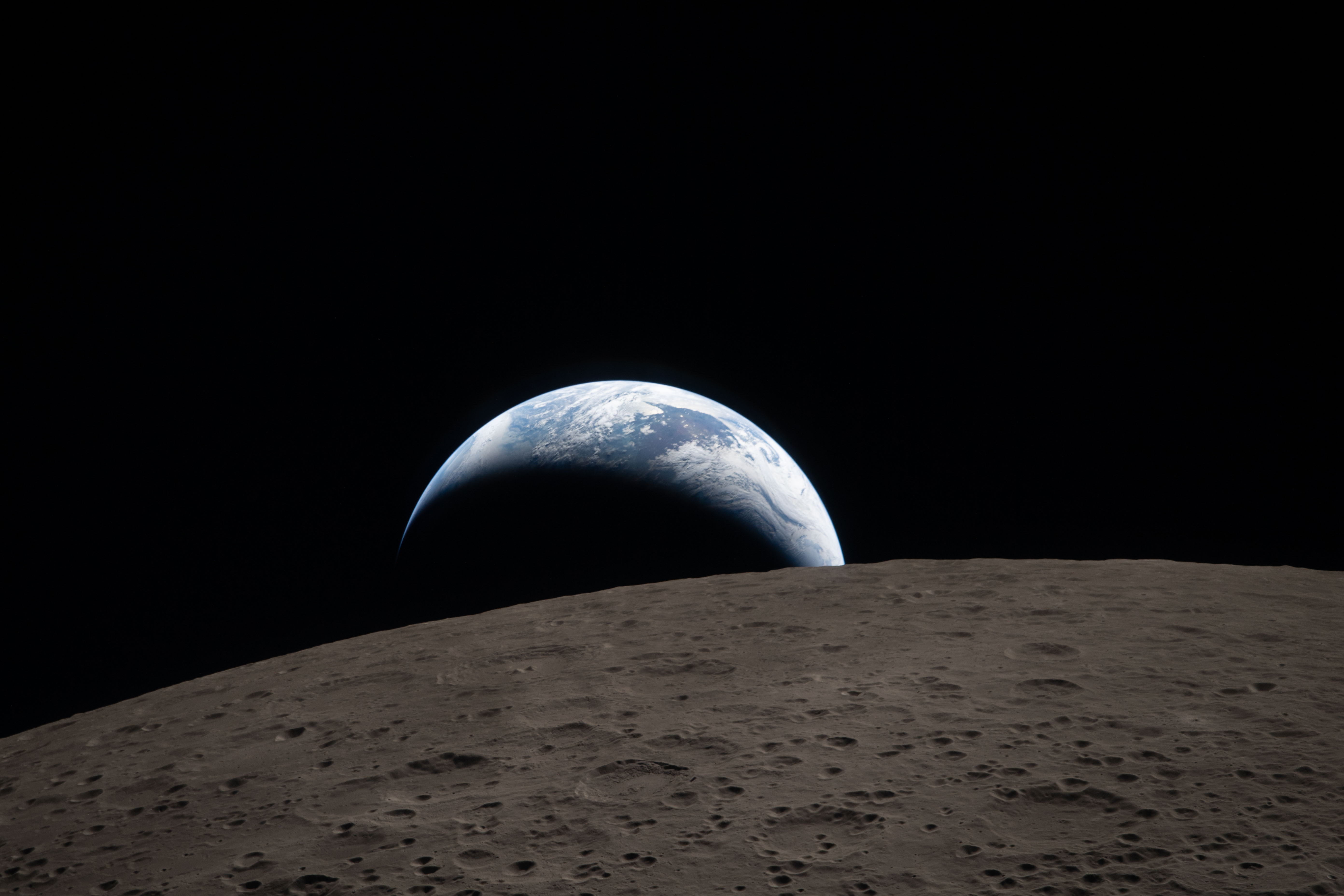
This perspective is not as distant as it seems, nor is it limited to astronauts alone. Anyone can experience moments of the overview effect. Whether viewing an image of Earth from space or connecting with nature in transformative ways, that sense of wonder is all around us.
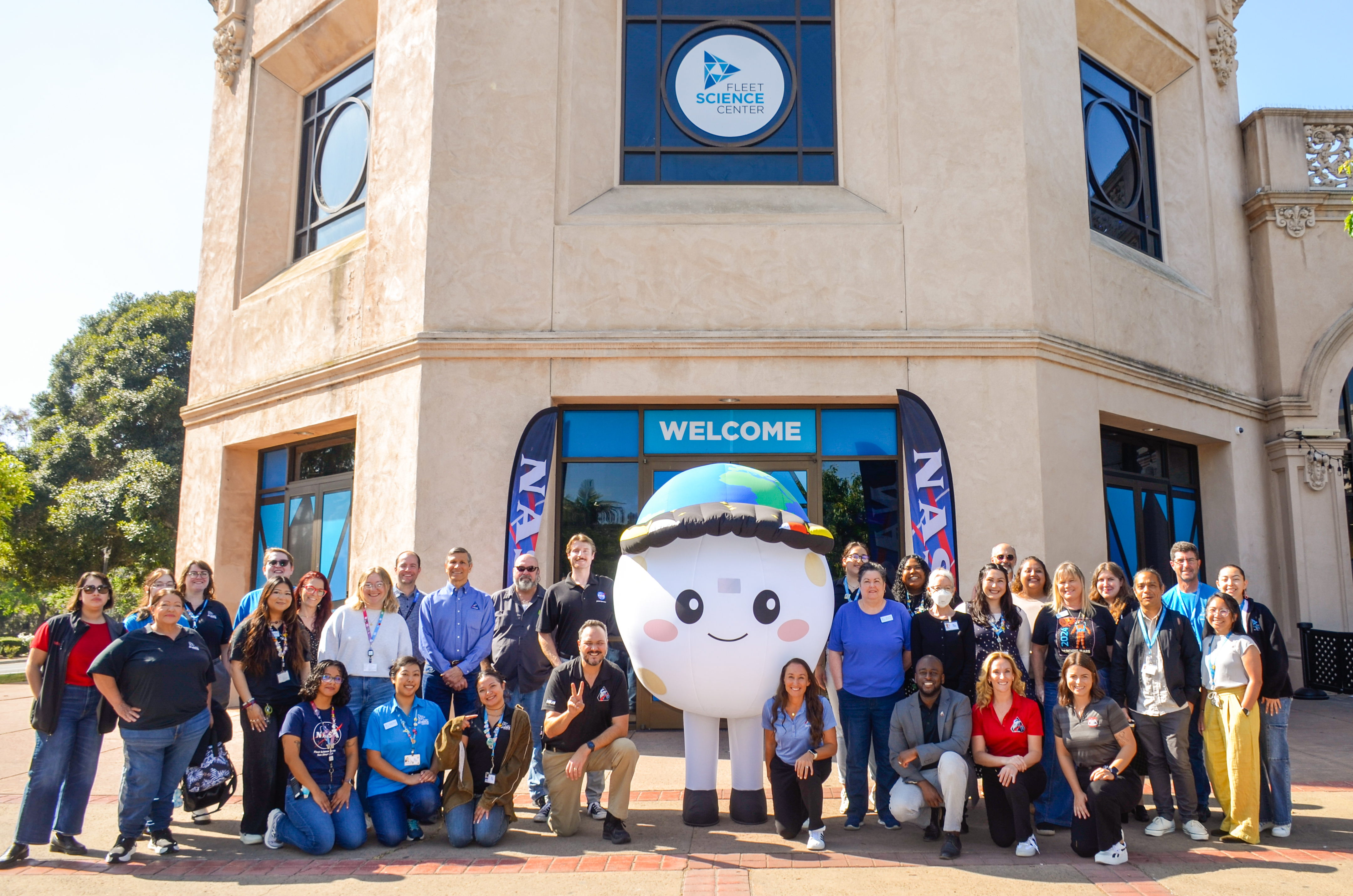
At the Fleet, we recently had the rare opportunity to bring that perspective a little closer to home during Artemis Week, when we welcomed NASA representatives in celebration of Artemis II, the first crewed mission to the Moon in over 50 years.
On April 1, four astronauts launched into space to perform a crewed lunar flyby, with a planned splashdown off the San Diego coast nine days later. The Fleet, an official venue for the Orion spacecraft recovery, invited guests to celebrate the mission over the course of three days with immersive exhibits, NASA mission experts, and a live stream of the splashdown in the IMAX® Giant Dome Theater.
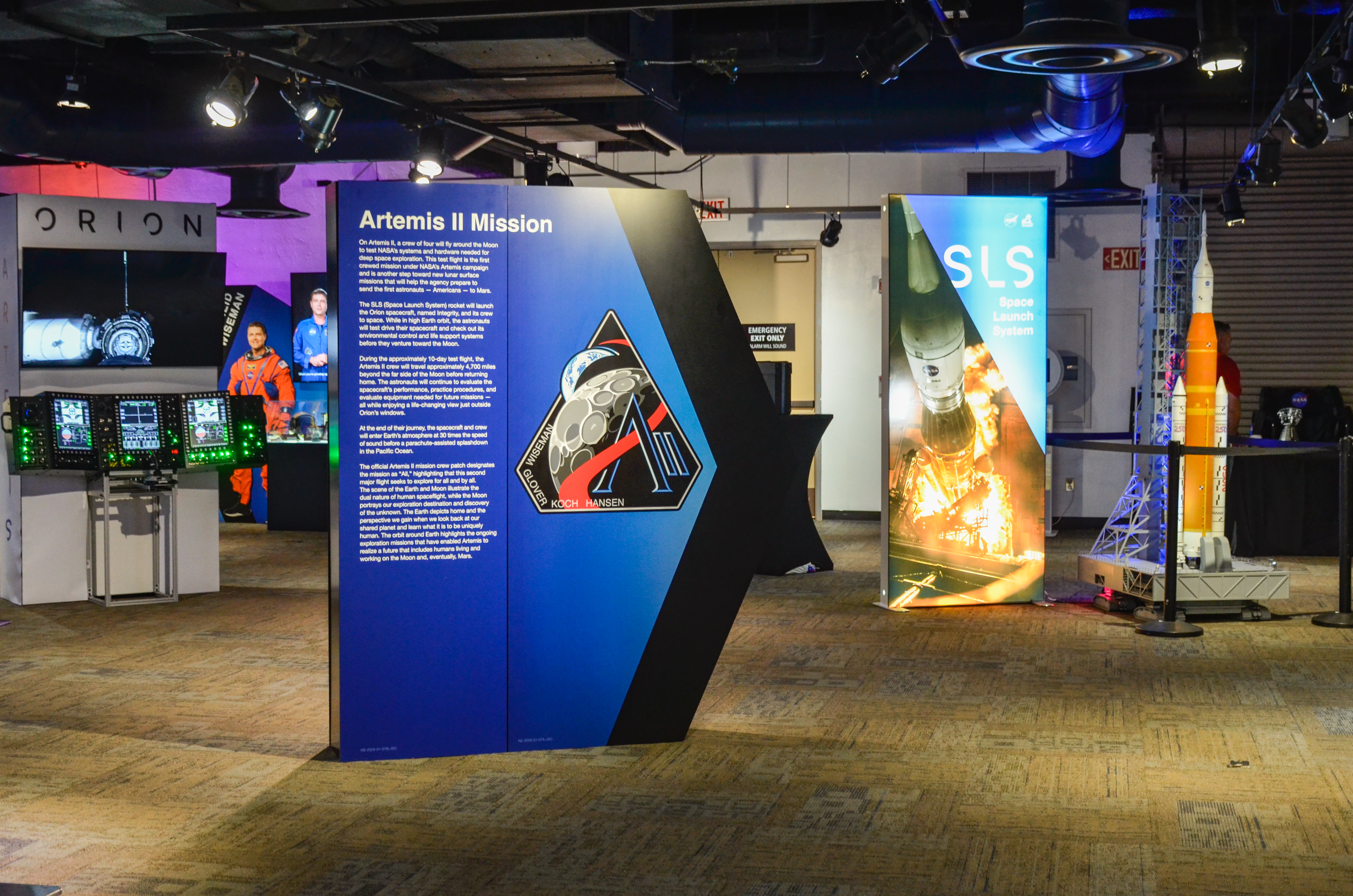
The event drew thousands of guests, engaging them in once-in-a-lifetime experiences and inviting them to step into an astronaut’s shoes. From a spaceflight simulator to personal belongings on display donated by Artemis II crew members, to a piece of the Moon and a piece of a Martian meteorite, the wonder of the universe was literally at our fingertips.
Events like Artemis Week remind us why it is so special to be here, with our community, on this planet that we call home. As we stood under the IMAX® giant dome screen, watching the crew return to our pale blue dot just off our own coastline, that distant view of awe and amazement was suddenly not so distant at all. You could see the wonder on people’s faces, hear it in their cheers, and feel it in the air.
As Artemis II pilot Victor Glover reflected aboard the mission’s spacecraft, “In all of this emptiness, this is a whole bunch of nothing, this thing we call the universe, you have this oasis, this beautiful place that we get to exist in together.”
“This is an opportunity for us to remember where we are, who we are, and that we are the same thing and we’ve got to get through this together,” he said.
This is the spirit of Earth Day. Not just appreciation, but action. Not just reflection, but protection.
The Fleet is proud to facilitate profound moments of realization, connection, and action. During Artemis Week and beyond, we hope to continue creating opportunities for our community to see the world differently, to step back and take in the bigger picture, much like those who have seen it from space.
Because whether that perspective comes from orbit or from right here at home, its message is the same: we live on a fragile, extraordinary planet, and it is ours to care for, together.